THE ISP MASTER BOOK FOR KENYA.
Understanding Internet Infrastructure, Providers, and the Future of Connectivity in Kenya
Introduction: The Digital Backbone of Kenya.
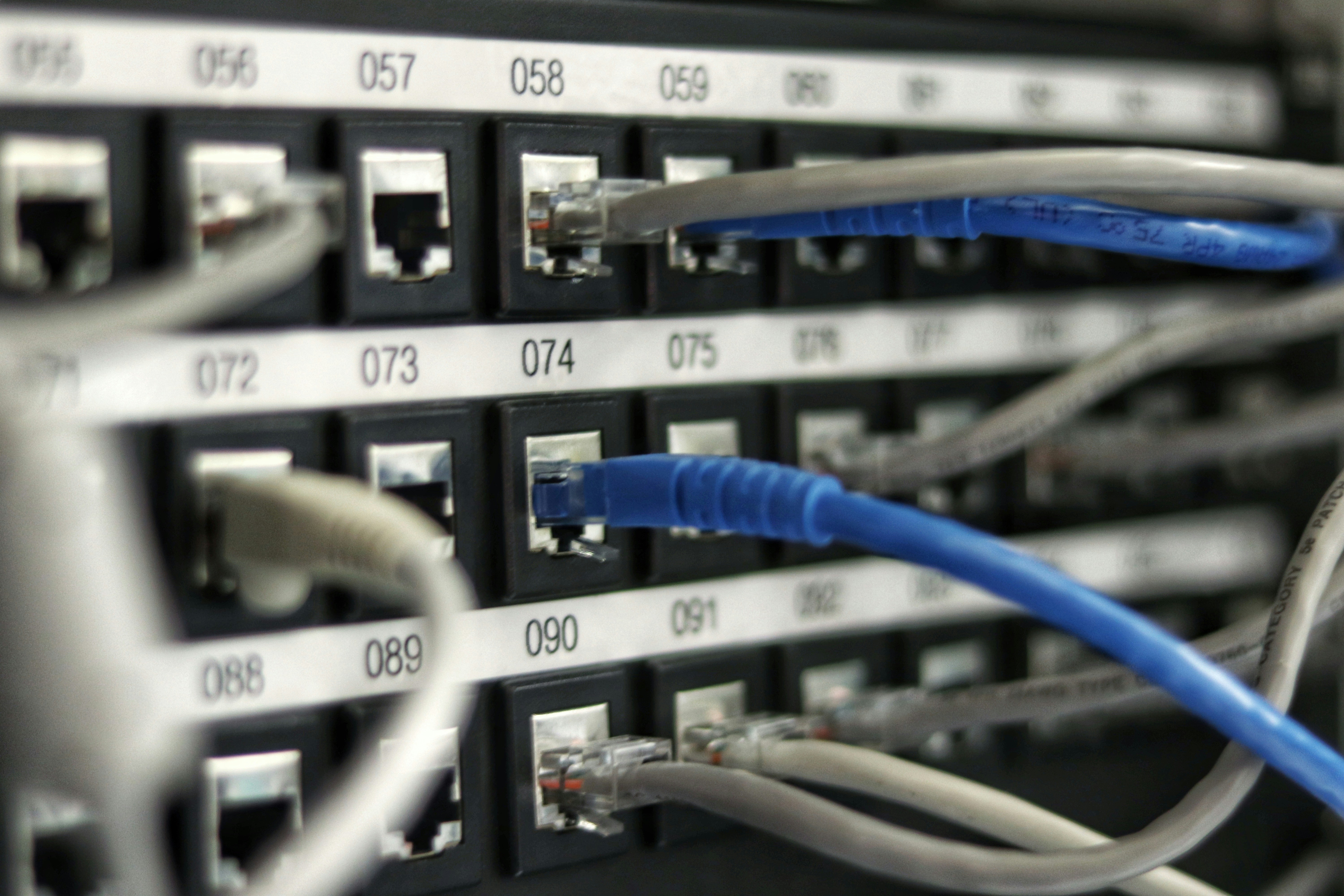
Internet connectivity has become one of the most important utilities in Kenya, alongside electricity and water. Businesses, homes, schools, hospitals, and government institutions depend on stable internet every single day.
Yet behind every connection lies a complex ecosystem of infrastructure, engineering, and service providers working silently to keep the country online.
This guide breaks down everything you need to understand about ISPs in Kenya — from how the internet travels, to how businesses choose providers, and how the future of connectivity is being shaped.
Yet behind every connection lies a complex ecosystem of infrastructure, engineering, and service providers working silently to keep the country online.
This guide breaks down everything you need to understand about ISPs in Kenya — from how the internet travels, to how businesses choose providers, and how the future of connectivity is being shaped.
Internet is no longer a luxury. It is the foundation of modern business, communication, and growth.
Chapter 1: Understanding Internet Service Providers
An Internet Service Provider (ISP) is a company that delivers internet connectivity to individuals and organizations. But in reality, ISPs do much more than “sell internet.”
They manage global routing systems, maintain network infrastructure, allocate bandwidth, ensure uptime, and provide technical support for thousands of users simultaneously.
In Kenya, ISPs range from large national providers to specialized enterprise connectivity companies offering tailored solutions for businesses.
They manage global routing systems, maintain network infrastructure, allocate bandwidth, ensure uptime, and provide technical support for thousands of users simultaneously.
In Kenya, ISPs range from large national providers to specialized enterprise connectivity companies offering tailored solutions for businesses.
Chapter 2: How Internet Actually Reaches You

Submarine Cables → Landing Stations → Data Centers → National Backbone → ISP Networks → Routers → End Users
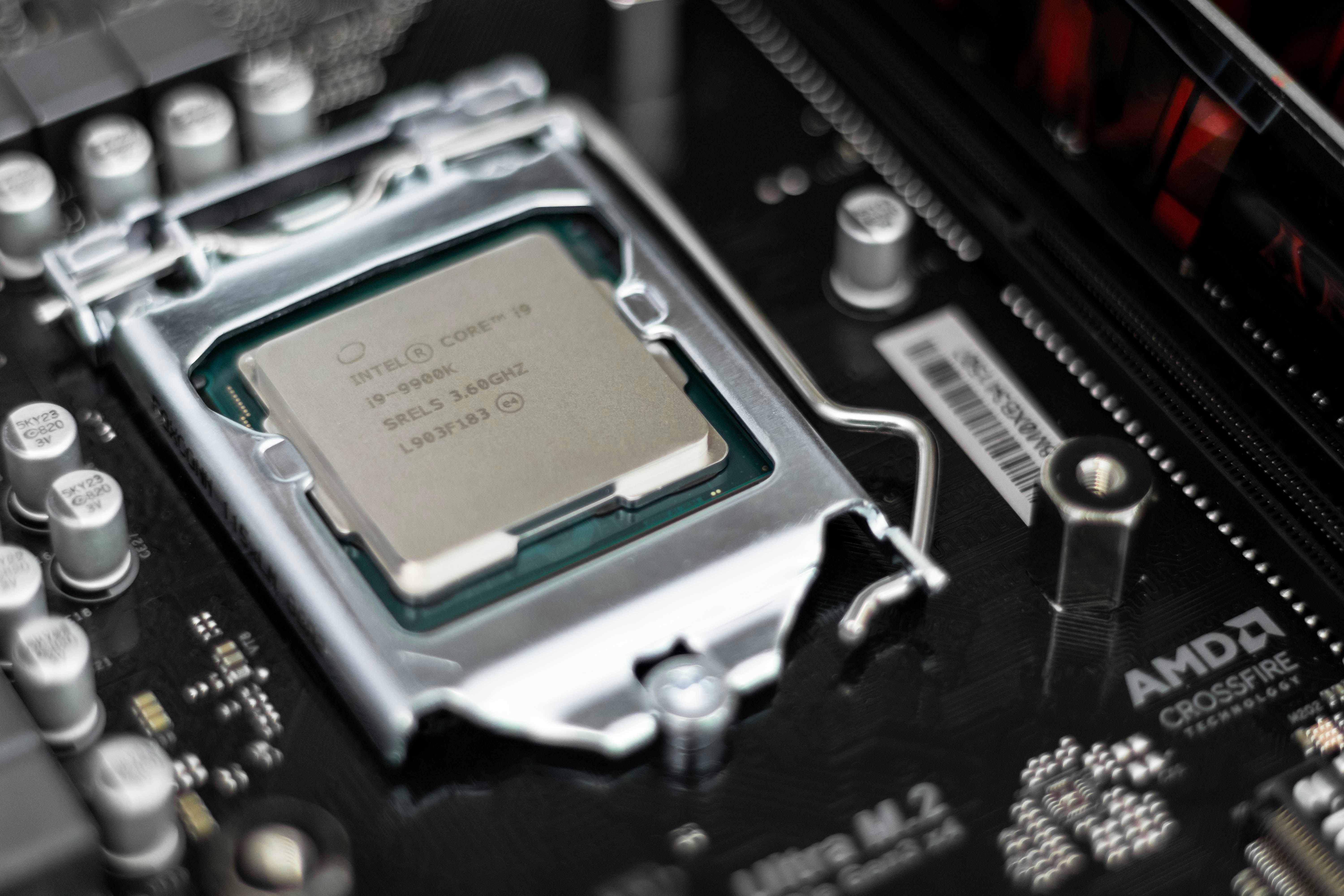
Every time you open a website or send a message, your request travels through multiple layers of infrastructure across continents.
Submarine fiber cables connect countries. Data centers process and route traffic. National backbone networks distribute bandwidth locally. ISPs then deliver the final connection to your home or business.
This entire process happens in milliseconds yet it involves highly complex engineering systems.
Submarine fiber cables connect countries. Data centers process and route traffic. National backbone networks distribute bandwidth locally. ISPs then deliver the final connection to your home or business.
This entire process happens in milliseconds yet it involves highly complex engineering systems.
Chapter 3: Types of Internet Services in Kenya
Kenya’s internet landscape is diverse, designed to meet different user needs.
Fiber internet offers high-speed stable connectivity ideal for offices and homes in urban areas. Wireless internet is deployed in locations where fiber infrastructure has not yet reached.
Dedicated Internet Access (DIA) is designed for enterprises that require guaranteed bandwidth, uptime SLAs, and priority support.
Satellite internet serves remote and underserved regions where traditional infrastructure is unavailable.
Fiber internet offers high-speed stable connectivity ideal for offices and homes in urban areas. Wireless internet is deployed in locations where fiber infrastructure has not yet reached.
Dedicated Internet Access (DIA) is designed for enterprises that require guaranteed bandwidth, uptime SLAs, and priority support.
Satellite internet serves remote and underserved regions where traditional infrastructure is unavailable.

The difference between shared internet and dedicated internet is the difference between congestion and consistency.
Chapter 4: Why Internet Performance Differs

Internet speed and stability are influenced by several factors beyond what most users see.
Infrastructure quality plays a major role fiber networks offer better performance than wireless systems. Bandwidth sharing also affects speed during peak usage hours.
Internal network design, router capacity, and the number of connected devices also significantly influence user experience.
In enterprise environments, even small inefficiencies can lead to major productivity losses.
Infrastructure quality plays a major role fiber networks offer better performance than wireless systems. Bandwidth sharing also affects speed during peak usage hours.
Internal network design, router capacity, and the number of connected devices also significantly influence user experience.
In enterprise environments, even small inefficiencies can lead to major productivity losses.
Chapter 5: Industries That Depend on Strong Connectivity
Modern industries cannot function without reliable internet infrastructure.
Schools depend on connectivity for e-learning platforms. Hotels rely on guest Wi-Fi and booking systems. Hospitals use digital patient records and cloud systems. Manufacturing companies depend on ERP systems and IoT devices.
Real estate developers now integrate fiber infrastructure into estates as a standard utility.
Businesses without stable connectivity risk operational inefficiencies and reduced competitiveness.
Schools depend on connectivity for e-learning platforms. Hotels rely on guest Wi-Fi and booking systems. Hospitals use digital patient records and cloud systems. Manufacturing companies depend on ERP systems and IoT devices.
Real estate developers now integrate fiber infrastructure into estates as a standard utility.
Businesses without stable connectivity risk operational inefficiencies and reduced competitiveness.
Chapter 6: Data Centers and Colocation
Data centers are specialized facilities that house servers, storage systems, and networking equipment.
They are designed with redundant power systems, cooling mechanisms, and security layers to ensure uninterrupted operations.
Colocation allows businesses to host their own servers within these facilities instead of building expensive internal server rooms.
This ensures higher uptime, better security, and professional infrastructure management.
They are designed with redundant power systems, cooling mechanisms, and security layers to ensure uninterrupted operations.
Colocation allows businesses to host their own servers within these facilities instead of building expensive internal server rooms.
This ensures higher uptime, better security, and professional infrastructure management.
The future of business belongs to organizations built on stable, scalable, and secure connectivity.
Chapter 7: How to Choose the Right ISP
Selecting an ISP is a strategic business decision, not just a cost comparison exercise.
Organizations must evaluate uptime guarantees, scalability options, support response time, redundancy systems, and industry experience.
The cheapest option is often not the most reliable, especially for mission-critical operations.
Organizations must evaluate uptime guarantees, scalability options, support response time, redundancy systems, and industry experience.
The cheapest option is often not the most reliable, especially for mission-critical operations.
Build Your Business on Reliable Connectivity
Enterprise Internet | Dedicated Internet Access | Colocation | Wholesale Connectivity
Veenet Africa
0758 353 533
https://veenet.africa
Comments
Post a Comment
Talk to us about dedicated broadband.
For ISPs, Business Owners, Apartment Owners Property Developers and anyone looking for Fast, Affordable & Reliable Internet.